Ball Linear Bearings
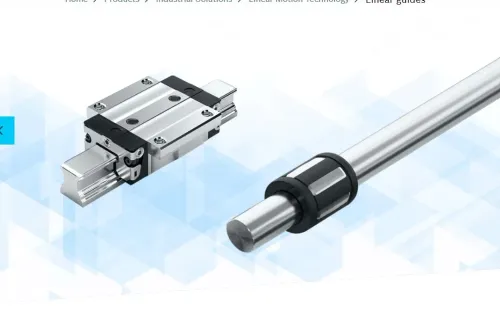
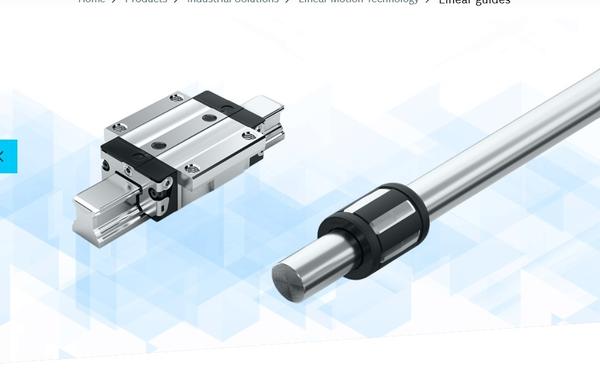
Ball linear bearings (also called linear ball bushings) use recirculating steel balls for low-friction motion.
Key features: High accuracy; smooth travel; preload options Standard sizes: 8 mm–50 mm bore; open-type or sealed Materials: chrome steel, stainless steel, hybrid ceramic
Typical applications: CNC routers; 3D printers; pick-and-place machines Optical inspection stages; medical device slides
Roller Linear Bearings
Roller linear bearings replace balls with cylindrical rollers for higher load capacity and rigidity.
Key features: Ultra-high radial load capacity; minimal deflection Preloaded classes (P, NP) for zero backlash Sizes from 15 mm to 65 mm rail width
Typical applications: Heavy gantries; aerospace assembly; steel mill equipment Packaging lines; automated storage and retrieval systems
Plain (Bush) Linear Bearings
Plain bearings (linear bushings) offer simple, cost-effective motion with self-lubricating options.
Key features: Maintenance-free polymer liners; PTFE or bronze composites Silent operation; dust and debris tolerance Bore sizes 4 mm–100 mm; flange or thrust collar variants
Typical applications: Food-grade conveyors; textile machinery Medical equipment; municipal water treatment valves
Polymer Linear Bearings
Engineered polymer bearings deliver corrosion resistance and operate without external lubrication.
Key features: High chemical compatibility; wide temperature range FDA-compliant food-safe grades Lightweight aluminum housings with polymer liners
Typical applications: Pharmaceutical filling lines; lab automation Marine actuators; outdoor solar trackers
Cam Roller Bearings
Cam roller bearings feature hardened rollers on eccentric studs for guiding cams and profiles.
Key features: Eccentric adjustment; high shock-load capacity Sealed or open-face options Standard sizes: 12 mm–40 mm roller diameter
Typical applications: Printing presses; indexing tables Packaging machinery; embroidery heads
Crossed Roller Bearings
Crossed roller bearings stack cylindrical rollers at alternating right angles for extreme rigidity.
Key features: Uniform stiffness in all directions Low profile; integrated seals ID from 20 mm to 200 mm
Typical applications: Robotic wrists; precision rotary tables Satellite positioning systems; radar antennas
Profile Rail Guides
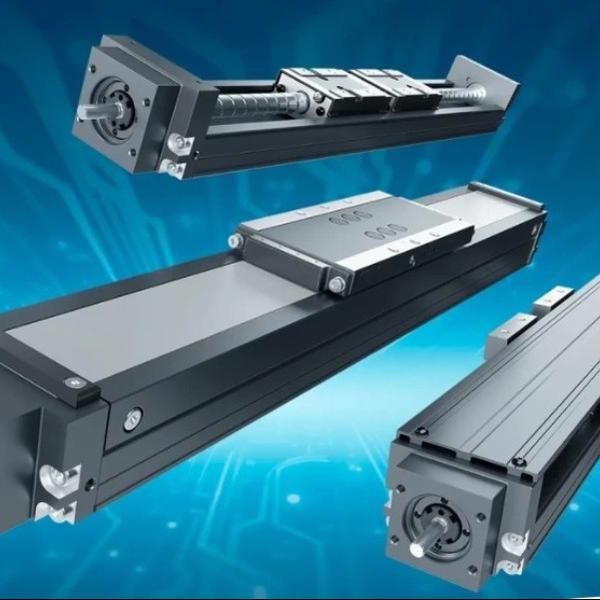
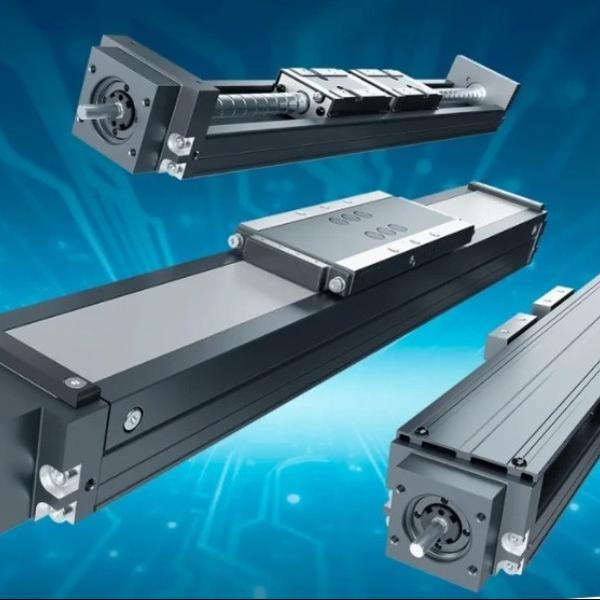
Profile rail guides pair a low-friction carriage with hardened steel rails for ultra-precise linear guidance.
Key features: High moment load capacity; recirculating ball or roller carriages Preload grades from light to super Rail heights 7 mm–200 mm; carriage lengths customizable
Typical applications: Semiconductor wafer steppers; laser cutting tables Automation gantries; coordinate measuring machines

New Delhi
08048038980
+919810041415
 Chat with us
 Chat with us